One of the most common questions we get: how many traps do I actually need? Too few and you barely dent the population; too many and you have spent money you did not need to.
The simple ruleOne trap per affected room is the minimum. Two to three per room where you see activity regularly. For a typical home with a moderate problem, 3 traps is the usual starting point.
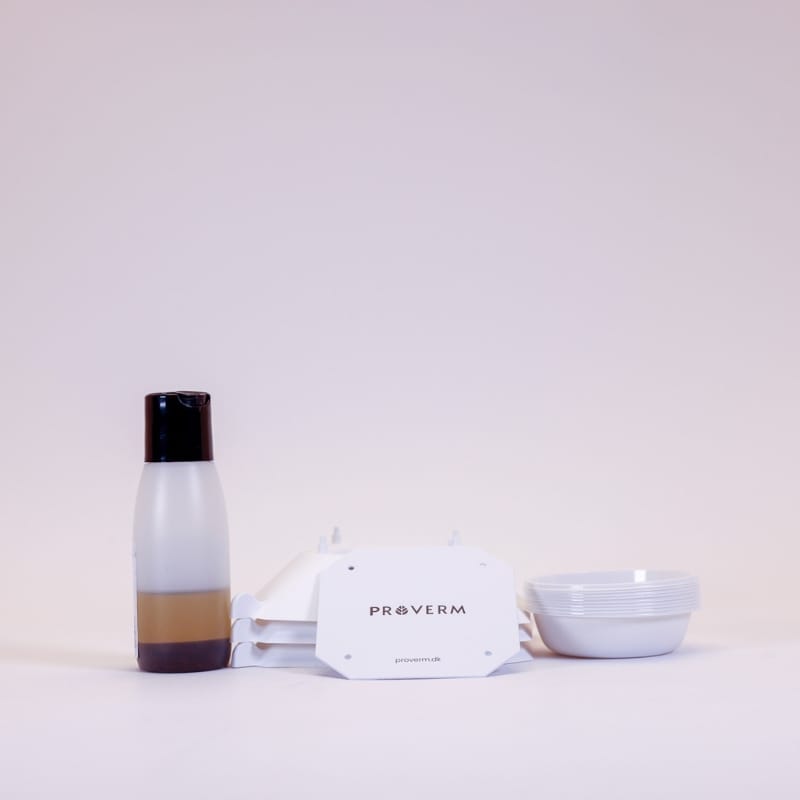
The starter pack — 3 traps, 9 catch cups and 30 ml attractant
Placement matters as much as quantity
Six well-placed traps beat twelve badly placed ones. Silverfish travel along edges, not across open floor — a trap in the middle of a room catches almost nothing.
Put traps here
Flat against skirting boards and walls
In corners, where two edges meet
Behind the toilet and under the sink
In the utility room, basement and storage areas
Next to any cardboard boxes or stored paper
Avoid
The middle of a room
On top of furniture or shelves
Anywhere it will be knocked or moved regularly
How long before I know?
Set the traps and leave them undisturbed
Check the catch cups after about a week and note roughly how many you find
Check again at 2–3 weeks and compare
Falling numbers mean it is working. Steady or rising numbers mean you need more traps, better placement, or both.
Keep two traps running afterwardsOnce the count reaches zero, leave a couple in place as an early-warning system. Catching one or two again tells you months before an infestation rebuilds.
What about refills?
The trap itself is reusable for years — only the catch cup with attractant is replaced. Each cup stays effective for at least 4 months, or roughly 100 catches. A small refill pack keeps 3 traps running for about a year; a large refill pack covers 12 traps.
Not sure where to begin? The starter pack covers a normal home and is backed by our catch guarantee.
One per affected room is the minimum, two to three per room where you see activity regularly. Most homes with a moderate problem start with 3 traps and add more if the catch numbers stay high.
Where should I place the traps?
Flat against skirting boards and walls, in corners, behind toilets, under sinks, in utility rooms and near cardboard storage. Silverfish travel along edges — traps in open floor space catch very little.
Can I use too many traps?
Not harmfully, but there are diminishing returns. Beyond about 2–3 traps per room you are better off improving placement and removing cardboard than adding more.
How often do I replace the catch cups?
Each cup stays effective for at least 4 months, or until roughly 100 insects have been caught. Refill packs contain both cups and attractant.
Silverfish vs grey silverfish: how to tell the difference
Silverfish and grey silverfish look similar enough to be confused constantly — but they behave very differently, and knowing which one you have tells you how urgent the problem is.
The quick test
One question settles itHave you seen them on a wall or ceiling? Common silverfish cannot climb smooth vertical surfaces. Grey silverfish can. That single observation identifies the species.
Common silverfish
Grey silverfish
Latin name
Lepisma saccharina
Ctenolepisma longicaudatum
Size
Up to 10 mm
Up to 15 mm, plus long tails
Colour
Metallic silver, shiny
Browner, matte
Tails and antennae
Short
Noticeably long
Climbs walls
No
Yes
Where it lives
Damp: bathrooms, basements
Dry rooms, whole house
Eats paper
Rarely
Yes — books, wallpaper, documents
Spreads
Slowly
Quickly
Both species climb the trap and drop into the catch cup
Why the difference matters
Common silverfish are mostly a nuisance and a signal that you have a humidity problem. Fix the damp and their numbers usually fall on their own.
Grey silverfish are a genuine pest. They digest cellulose, so they feed on paper, cardboard, book bindings and wallpaper — and they can damage documents, photographs and stored belongings. They breed faster, live longer, and spread through a building rather than staying in one damp room.
If you have grey silverfishActing early matters much more. Populations grow year on year, and a problem that is easy to solve now becomes a whole-house job later.
Where each one comes from
Common silverfish are usually already in the building, drawn out by moisture
Grey silverfish almost always arrive from outside — carried in inside cardboard boxes, packaging, furniture or moving crates
This is why new-build homes and recently renovated flats see them so often — and why the problem has nothing whatsoever to do with how clean your home is.
The good news: the same traps work on both
Both species climb the rough outer wall of a pitfall trap, drop into a catch cup holding an oil-based attractant, and cannot get out. No chemicals, safe with children and pets — and the catch cup tells you which species you are dealing with. Check the size and tail length of what you find.
Not sure which you have? Start with 3 traps and let the catch cup tell you.
How can I tell silverfish and grey silverfish apart?
Size and colour are the quickest clues: common silverfish are smaller and metallic silver, grey silverfish are larger, browner and matte with much longer tails. The decisive test is climbing — if you find them on walls or ceilings, they are grey silverfish.
Which one is more damaging?
Grey silverfish. They digest cellulose and feed on paper, cardboard and wallpaper, so they can damage books, documents and stored items. Common silverfish are mainly a nuisance linked to damp.
Do I need different traps for each?
No. The same poison-free pitfall trap works on both species, because both climb and neither can escape the catch cup.
Does having them mean my home is dirty?
No. Grey silverfish arrive inside cardboard and packaging and thrive in modern, well-insulated homes. Common silverfish follow humidity. Neither is a sign of poor cleaning.
Grey silverfish: what to do when you have them
Have you spotted small, fast insects with long tails darting along your skirting boards at night? You are far from alone. Grey silverfish have become one of the most common household pests in Northern Europe — especially in newer, well-insulated buildings. The good news: you can get rid of them without a drop of poison.
The short versionSet traps along skirting boards, remove cardboard from the floor, seal obvious cracks — and give it 2–3 weeks. Most people see a clear drop in that time.
Step 1: Get a picture with traps
Before anything else, find out how many you have and where they live. Pitfall traps do both jobs at once: they catch the insects, and the number in the cup tells you whether this is a small problem or a serious one — and whether your efforts are working.
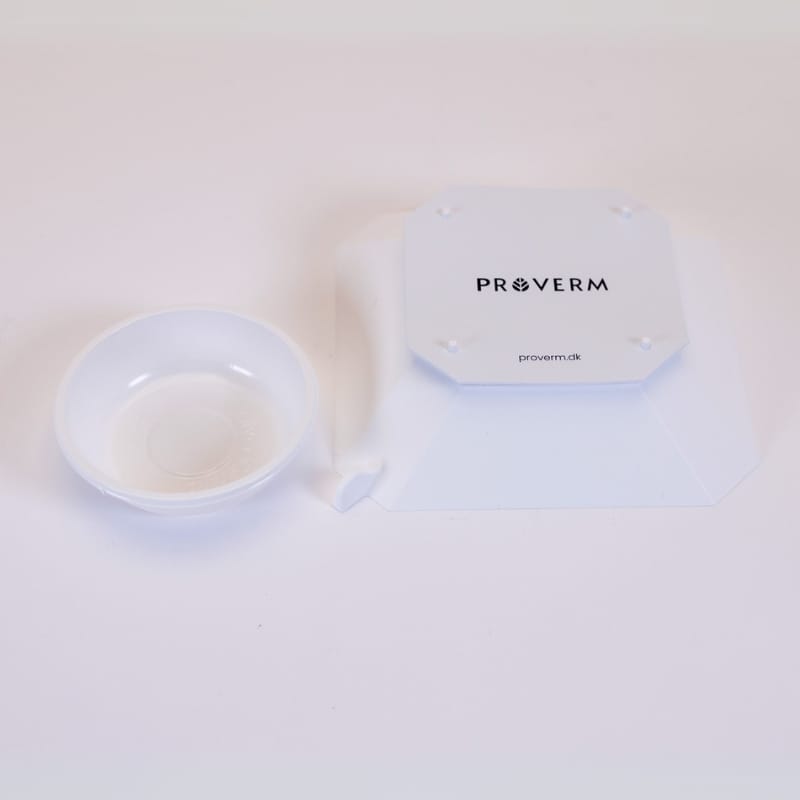
A pitfall trap with its replaceable catch cup
Step 2: The four-part plan
Set traps immediately. Place them where you have seen activity and leave them alone. One minute each to set up, working around the clock with no chemicals — safe with children and pets.
Remove their food. Grey silverfish digest cellulose, so cardboard and paper are a buffet. Keep boxes off the floor; swap cardboard storage for plastic boxes.
Seal cracks and gaps. They shelter around skirting boards, pipe penetrations and under floor trim. Sealing the obvious ones makes your home far less attractive.
Track progress. Most people see a clear drop within 2–3 weeks. Keep going until the catch count hits zero, then leave a couple of traps as an early-warning system.
Where to place traps
Flat against skirting boards — they travel along edges, not across open floor
Behind the toilet and under the sink
In the utility room and any storage area
Near cardboard boxes or stored paper
Not in the middle of a room — a trap there catches almost nothing
Our starter pack contains 3 traps, 9 catch cups and 30 ml of poison-free attractant — roughly a year of use for a normal home.
Act quickly. Set traps along skirting boards and in the rooms where you have seen them, so you reduce the population and gauge its size at the same time. Clear cardboard off the floor, vacuum regularly, and seal visible cracks. Expect visible results within 2–3 weeks.
What are grey silverfish a sign of?
Not poor cleaning. They usually arrive inside cardboard boxes and packaging, and they thrive in newer, well-sealed homes with a stable indoor temperature. Spotless homes get them too.
Are grey silverfish worse than common silverfish?
In practice, yes. Grey silverfish digest cellulose, so they damage paper, books and wallpaper. They also thrive in dry rooms throughout the house and spread faster.
What smells do grey silverfish dislike?
Lavender and cedar are often suggested, but the evidence is weak — scents may move them temporarily at best. Traps with an attractant plus prevention work far better.
Can grey silverfish survive in a vacuum cleaner?
Often, yes. They are hardy and can crawl back out of the bag. Vacuum by all means, but empty it outside straight away.
Will grey silverfish go away on their own?
Usually not. Left alone the population tends to grow year on year. Early action is much easier than late action.