
No products in the basket.
Silverfish and grey silverfish look similar enough to be confused constantly — but they behave very differently, and knowing which one you have tells you how urgent the problem is.
| Common silverfish | Grey silverfish | |
|---|---|---|
| Latin name | Lepisma saccharina | Ctenolepisma longicaudatum |
| Size | Up to 10 mm | Up to 15 mm, plus long tails |
| Colour | Metallic silver, shiny | Browner, matte |
| Tails and antennae | Short | Noticeably long |
| Climbs walls | No | Yes |
| Where it lives | Damp: bathrooms, basements | Dry rooms, whole house |
| Eats paper | Rarely | Yes — books, wallpaper, documents |
| Spreads | Slowly | Quickly |
Common silverfish are mostly a nuisance and a signal that you have a humidity problem. Fix the damp and their numbers usually fall on their own.
Grey silverfish are a genuine pest. They digest cellulose, so they feed on paper, cardboard, book bindings and wallpaper — and they can damage documents, photographs and stored belongings. They breed faster, live longer, and spread through a building rather than staying in one damp room.
This is why new-build homes and recently renovated flats see them so often — and why the problem has nothing whatsoever to do with how clean your home is.
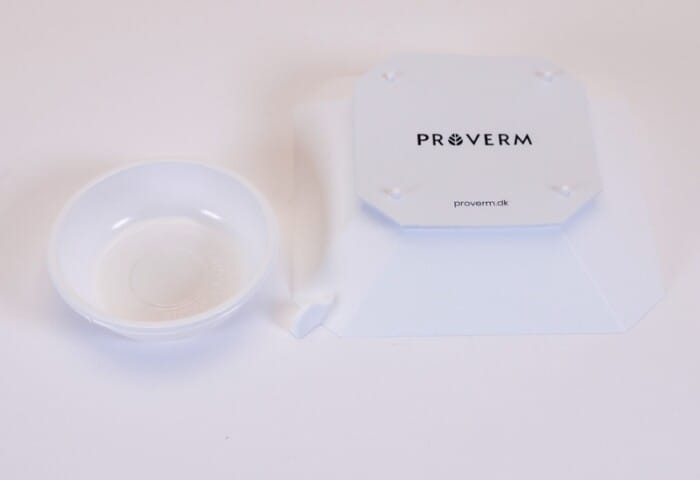
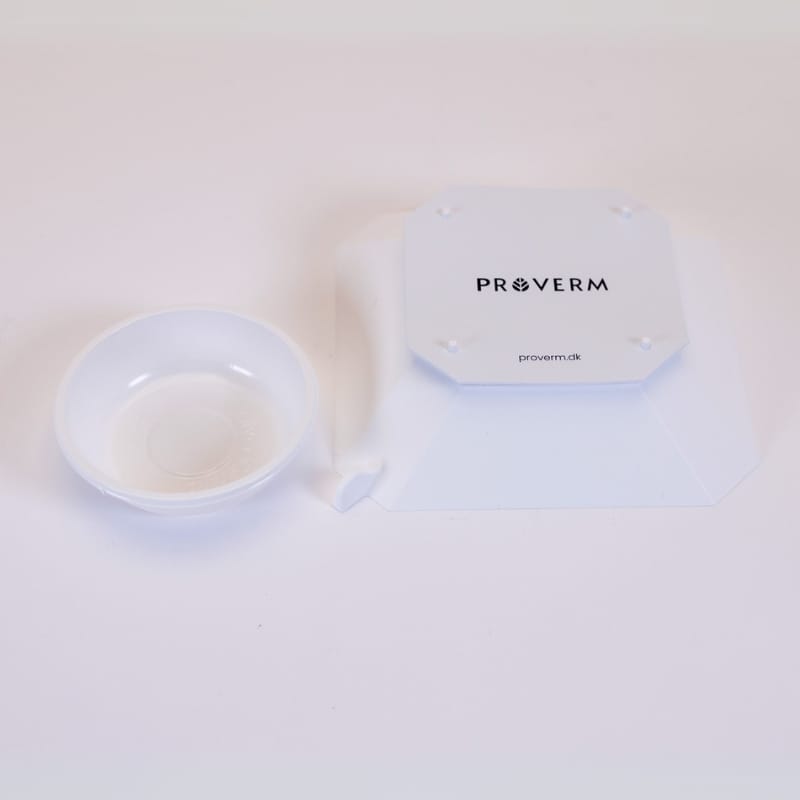
Both species climb the rough outer wall of a pitfall trap, drop into a catch cup holding an oil-based attractant, and cannot get out. No chemicals, safe with children and pets — and the catch cup tells you which species you are dealing with. Check the size and tail length of what you find.
Not sure which you have? Start with 3 traps and let the catch cup tell you.
See the starter packSize and colour are the quickest clues: common silverfish are smaller and metallic silver, grey silverfish are larger, browner and matte with much longer tails. The decisive test is climbing — if you find them on walls or ceilings, they are grey silverfish.
Grey silverfish. They digest cellulose and feed on paper, cardboard and wallpaper, so they can damage books, documents and stored items. Common silverfish are mainly a nuisance linked to damp.
No. The same poison-free pitfall trap works on both species, because both climb and neither can escape the catch cup.
No. Grey silverfish arrive inside cardboard and packaging and thrive in modern, well-insulated homes. Common silverfish follow humidity. Neither is a sign of poor cleaning.

Proverm
Tel: +45 30 70 60 20
Kjellerupsgade 24
9000 Aalborg
CVR.: 43088122
We accept the following payment cards:
