
No products in the basket.
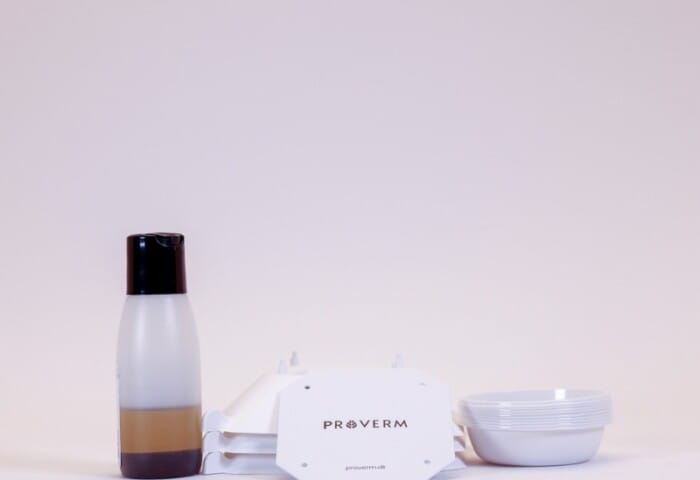
One of the most common questions we get: how many traps do I actually need? Too few and you barely dent the population; too many and you have spent money you did not need to.
| Your situation | Traps needed | Best pack |
|---|---|---|
| Seen one or two, in one room | 1–3 | Starter pack |
| Regular sightings, several rooms | 6+ | Medium pack |
| Heavy infestation or whole house | 12+ | Standard pack |
| Housing association, school, office | 1–2 per room | Bulk packs |
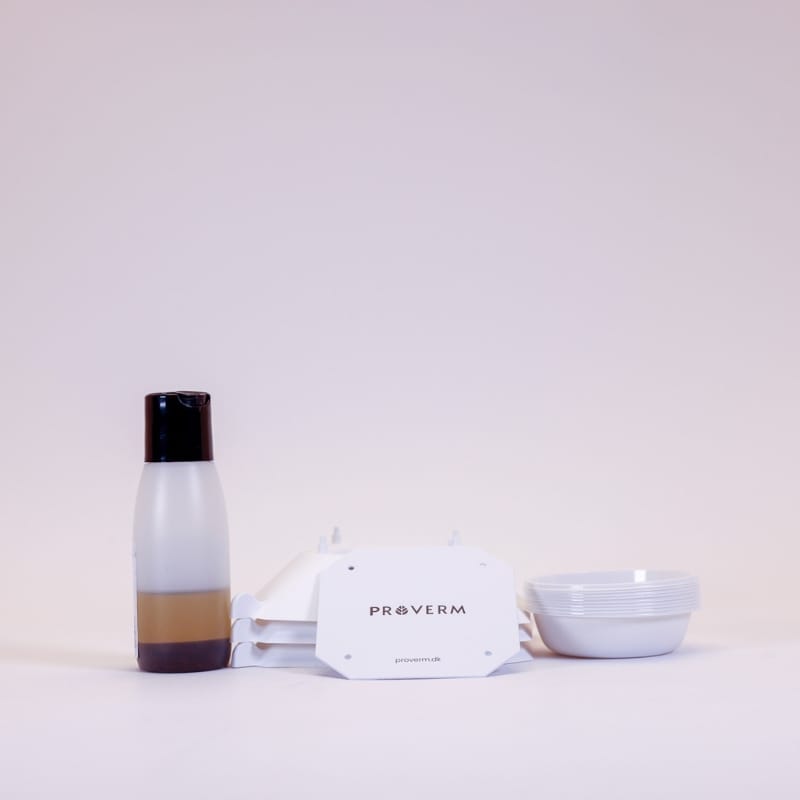
Six well-placed traps beat twelve badly placed ones. Silverfish travel along edges, not across open floor — a trap in the middle of a room catches almost nothing.
The trap itself is reusable for years — only the catch cup with attractant is replaced. Each cup stays effective for at least 4 months, or roughly 100 catches. A small refill pack keeps 3 traps running for about a year; a large refill pack covers 12 traps.
Not sure where to begin? The starter pack covers a normal home and is backed by our catch guarantee.
See the starter packOne per affected room is the minimum, two to three per room where you see activity regularly. Most homes with a moderate problem start with 3 traps and add more if the catch numbers stay high.
Flat against skirting boards and walls, in corners, behind toilets, under sinks, in utility rooms and near cardboard storage. Silverfish travel along edges — traps in open floor space catch very little.
Not harmfully, but there are diminishing returns. Beyond about 2–3 traps per room you are better off improving placement and removing cardboard than adding more.
Each cup stays effective for at least 4 months, or until roughly 100 insects have been caught. Refill packs contain both cups and attractant.

Proverm
Tel: +45 30 70 60 20
Kjellerupsgade 24
9000 Aalborg
CVR.: 43088122
We accept the following payment cards:
