
No products in the basket.
Have you spotted small, fast insects with long tails darting along your skirting boards at night? You are far from alone. Grey silverfish have become one of the most common household pests in Northern Europe — especially in newer, well-insulated buildings. The good news: you can get rid of them without a drop of poison.
Before anything else, find out how many you have and where they live. Pitfall traps do both jobs at once: they catch the insects, and the number in the cup tells you whether this is a small problem or a serious one — and whether your efforts are working.
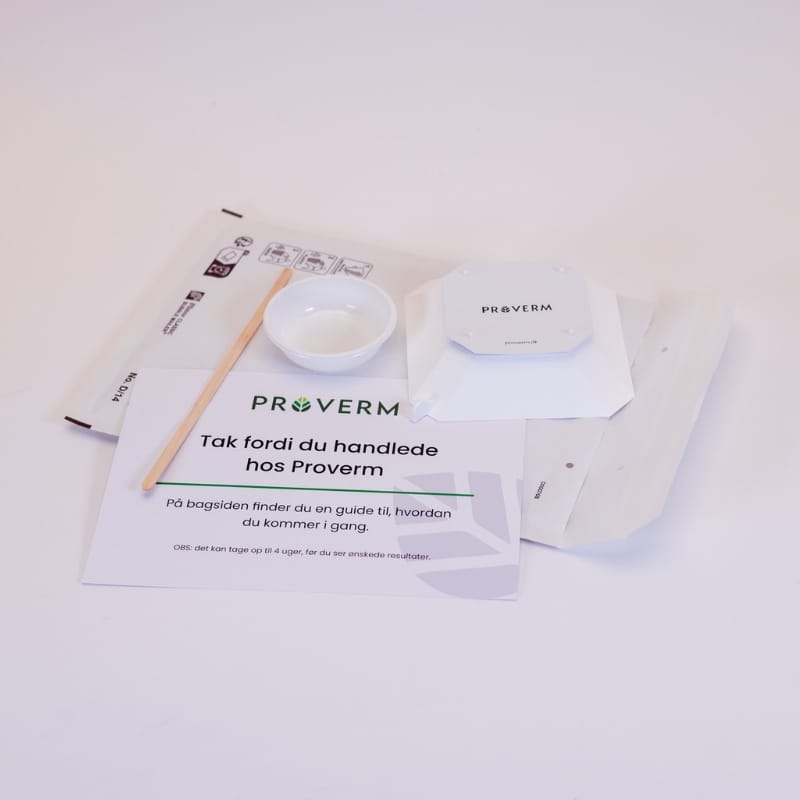
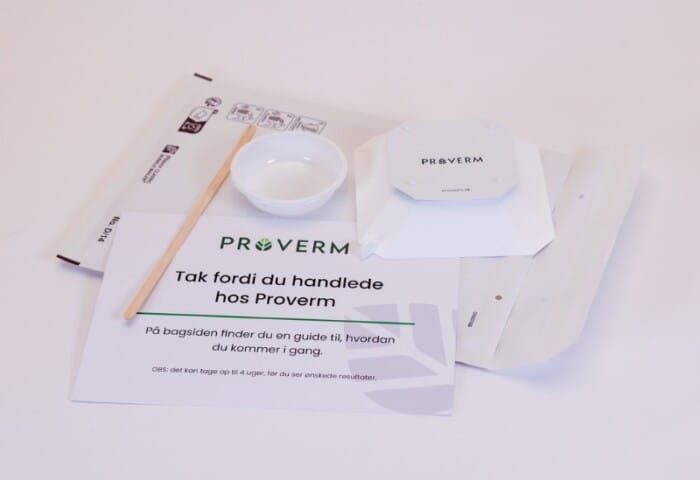
Our starter pack contains 3 traps, 9 catch cups and 30 ml of poison-free attractant — roughly a year of use for a normal home.
See the starter packThe two are constantly confused, but they behave differently — and the same traps work on both.
| Common silverfish | Grey silverfish | |
|---|---|---|
| Size | Up to 10 mm | Up to 15 mm plus long tails |
| Colour | Metallic silver | Browner, matte |
| Climbs walls | No | Yes |
| Prefers | Damp rooms | Dry rooms, whole house |
| Damages paper | Rarely | Yes |
More detail in our guide on telling silverfish and grey silverfish apart.
Act quickly. Set traps along skirting boards and in the rooms where you have seen them, so you reduce the population and gauge its size at the same time. Clear cardboard off the floor, vacuum regularly, and seal visible cracks. Expect visible results within 2–3 weeks.
Not poor cleaning. They usually arrive inside cardboard boxes and packaging, and they thrive in newer, well-sealed homes with a stable indoor temperature. Spotless homes get them too.
In practice, yes. Grey silverfish digest cellulose, so they damage paper, books and wallpaper. They also thrive in dry rooms throughout the house and spread faster.
Lavender and cedar are often suggested, but the evidence is weak — scents may move them temporarily at best. Traps with an attractant plus prevention work far better.
Often, yes. They are hardy and can crawl back out of the bag. Vacuum by all means, but empty it outside straight away.
Usually not. Left alone the population tends to grow year on year. Early action is much easier than late action.

Proverm
Tel: +45 30 70 60 20
Kjellerupsgade 24
9000 Aalborg
CVR.: 43088122
We accept the following payment cards:
